NIH-Funded Study: How Testosterone May Help Slow Brain Tumor Growth in Men
5/8/2026 • Thomas Kurian, M.D.
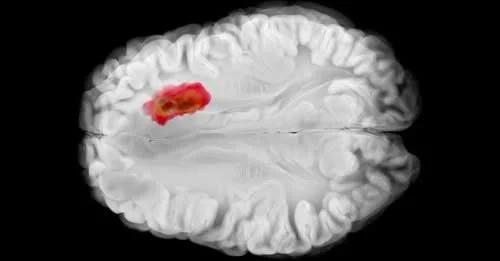
A new study funded by the National Institutes of Health (NIH) suggests that testosterone, a hormone usually associated with male traits, may actually help slow the growth of a deadly brain tumor called glioblastoma in men. This finding challenges older assumptions that male hormones always make cancers worse and opens the door to possible new treatment. (https://www.nih.gov/news-events/news-releases/nih-funded-study-suggests-testosterone-suppresses-brain-tumor-growth-males).
Key Takeaways in Plain Language
- Glioblastoma is a very aggressive brain cancer that is often more common and more deadly in men than in women.
- In laboratory and animal models, when male hormones (androgens) like testosterone were reduced or removed, brain tumors grew faster.
- In a review of medical data from more than 1,300 men with glioblastoma, those already taking testosterone supplements for non-cancer reasons had a significantly lower risk of death (about 38% lower) than those who were not on testosterone.
- The study does not prove that testosterone therapy treats brain cancer, but it strongly suggests this should be tested in clinical trials.
What Did the Researchers Actually Find?
Scientists at the Cleveland Clinic looked at how androgens (male hormones such as testosterone) affect brain tumors in males. They worked with mouse models of glioblastoma and also analyzed large clinical databases of real patients.
- In mice, reducing androgens pushed a brain stress system called the hypothalamus‑pituitary‑adrenal (HPA) axis into “overdrive.”
- This caused a spike in stress hormones and local inflammation that changed how the brain’s “security system” works.
- The result was an immune-suppressive environment around the tumor: fewer helpful immune cells could reach and attack the cancer.
- Interestingly, testosterone did not have the same brain-tumor effect in female mice, which may help explain some of the sex differences seen in brain cancer.
When they turned to human data in the NIH/NCI SEER database, the pattern was similar. Men with glioblastoma who were already on testosterone replacement for other health reasons lived longer than those who were not. Again, this was an association, not proof of cause-and-effect, but it matched what was seen in the lab and animal work.
What This Could Mean for Future Brain Cancer Treatment
Glioblastoma remains one of the hardest cancers to treat, with limited survival even using surgery, radiation, and chemotherapy. This study suggests a completely different angle: instead of always trying to block male hormones, supporting healthy androgen levels in some men might actually help the immune system fight brain tumors.
Researchers are now proposing:
- Clinical trials to test whether carefully monitored testosterone or androgen-supportive strategies can safely improve outcomes in men with glioblastoma.
- Closer review of treatments that suppress androgens (like some prostate cancer therapies) in patients who also have brain tumors, to ensure they are not unintentionally worsening glioblastoma behavior.
For now, no one should start, stop, or change testosterone therapy based on this study alone. Any hormone treatment—especially in the setting of cancer—must be managed by a specialist who understands the patient’s full medical picture.
Easy-to-Understand Explanation for Patients and Families
- Testosterone as a “traffic controller”: In this study, testosterone appears to help keep the brain’s stress and immune systems in balance in males. When testosterone is too low, stress hormones go up, and the brain becomes more closed off to the immune system, giving tumors an easier time to grow.bioengineer+2
- Not a cure, but a clue: This does not mean testosterone is a cure for brain cancer, but it is an important clue about how male biology interacts with brain tumors.nih+1
If you or a loved one has glioblastoma and questions about hormones or testosterone, it is important to discuss this with a neurologist, neuro-oncologist, or endocrinologist who can provide personalized guidance.
This is just a summary of early research, individual cases will differ, and treatment decisions must be made in consultation with the patient’s medical team.