Understanding Stroke: Types, Warning Signs, and What to Do—A Simple Guide
4/24/2026 • Thomas Kurian, M.D.
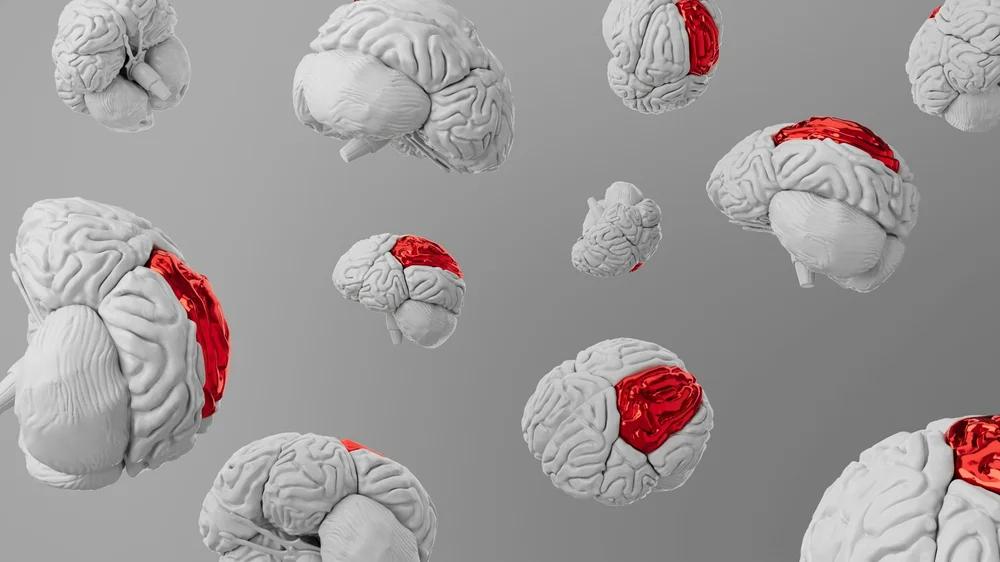
A stroke is a medical emergency that happens when blood flow to part of the brain is interrupted. Without blood, brain cells begin to die within minutes. Quick action can save a life and prevent long-term disability. This guide explains strokes in simple terms—what they are, the different types, how to recognize symptoms at home, and what to do right away.
What Is a Stroke?
Your brain needs a constant supply of oxygen and nutrients from blood. A stroke happens when that supply is cut off or reduced. When this occurs, brain cells begin to die, which can affect speech, movement, memory, and even breathing.
Strokes can happen to anyone, at any age, but the risk increases with age and certain health conditions.
The 3 Main Types of Stroke
1. Ischemic Stroke (Most Common)
This type makes up about 85% of all strokes. It happens when a blood vessel in the brain becomes blocked, usually by a blood clot.
Common causes:
- Cholesterol buildup (plaque)
- Irregular heart rhythm (like atrial fibrillation)
- Diabetes and high blood pressure
2. Hemorrhagic Stroke
This type occurs when a blood vessel in the brain bursts and causes bleeding.
Common causes:
- High blood pressure
- Weak blood vessels (aneurysms)
- Head injury
Bleeding in the brain can quickly damage brain tissue and increase pressure inside the skull.
3. Transient Ischemic Attack (TIA) – “Mini Stroke”
A TIA is a temporary blockage of blood flow to the brain. Symptoms are similar to a stroke but go away within minutes to hours.
Important: Even though symptoms stop, a TIA is a warning sign. A full stroke may happen soon after if nothing is done.
Stroke Symptoms: What to Watch For
Stroke symptoms often come on suddenly. The key is to recognize them quickly.
Use the “FAST” Method:
- F – Face: Ask the person to smile. Does one side droop?
- A – Arms: Ask them to raise both arms. Does one drift downward?
- S – Speech: Ask them to repeat a simple sentence. Is their speech slurred or strange?
- T – Time: If you see any of these signs, call 911 immediately.
Other Common Stroke Symptoms
In addition to FAST, watch for:
- Sudden numbness or weakness (especially on one side of the body)
- Sudden confusion or trouble understanding
- Sudden trouble seeing in one or both eyes
- Sudden trouble walking, dizziness, or loss of balance
- Sudden severe headache (often described as “the worst headache of my life”)
Easy At-Home Checks
If you are worried someone may be having a stroke, here are simple things you can do right away:
1. Smile Test
Ask them to smile. Look for uneven movement or drooping.
2. Arm Raise Test
Have them raise both arms for 10 seconds. Watch if one arm falls.
3. Speech Test
Ask them to say: “The sky is blue.” Listen for slurred or strange speech.
4. Simple Questions
Ask their name or where they are. Confusion can be a warning sign.
If anything seems off—even slightly—do not wait.
What To Do If You Suspect a Stroke
Act FAST—this can save a life.
- Call 911 immediately
Do not drive the person yourself unless there is no other option. Emergency teams can start treatment right away. - Note the time symptoms started
This is very important. Some treatments only work within a certain time window. - Keep the person safe
- Have them sit or lie down
- Keep them calm
- Do not give food, drink, or medication unless instructed
- Stay with them
Watch for changes in breathing or alertness.
Why Time Matters
Doctors often say: “Time is brain.”
For ischemic strokes, there is a clot-busting medication that can restore blood flow—but it must be given quickly, usually within a few hours.
Delays in treatment can lead to:
- Permanent disability
- Loss of speech or movement
- Death
Stroke Risk Factors
Some risk factors can be controlled, while others cannot.
Common Risk Factors:
- High blood pressure (the #1 cause)
- Diabetes
- High cholesterol
- Smoking
- Obesity
- Heart disease
- Lack of exercise
Non-Controllable Risks:
- Age
- Family history
- Prior stroke or TIA
How to Reduce Your Stroke Risk
Simple lifestyle changes can make a big difference:
- Control blood pressure
- Eat a healthy diet (low salt, more fruits and vegetables)
- Exercise regularly (at least 30 minutes most days)
- Stop smoking
- Manage diabetes and cholesterol
- Limit alcohol intake
When to See a Neurologist
You should consider seeing a neurologist if you:
- Have had a stroke or TIA
- Have frequent headaches or dizziness
- Have risk factors like high blood pressure or diabetes
- Have a family history of stroke
Early evaluation can help prevent serious problems later.
Final Thoughts
A stroke is serious, but recognizing the signs early can save lives. Remember the FAST method, trust your instincts, and act quickly.
If you or a loved one experiences any symptoms of stroke, call 911 immediately.
Need Expert Neurology Care?
At our neurology practice, we specialize in stroke prevention, diagnosis, and recovery. We offer personalized care for both adults and children, with a focus on fast access and clear communication.
If you have concerns about stroke risk or symptoms, don’t wait—schedule an appointment today.